
There’s something delightful about the thrill of a home-cooked meal that transports you to another world, and this Ginger Soy Fish recipe does just that. Picture this: tender pieces of halibut glistening with a savory ginger sauce, their enticing aroma wafting through your kitchen as you prepare to savor the ultimate comfort food. I discovered this dish while experimenting with ingredients I already had on hand and it quickly became a regular feature on my dinner table.
This isn’t just any fish dish; it’s a wonderful balance of lightness and flavor that shines through every bite. With just a handful of ingredients, including fresh ginger and soy sauce, you can elevate your weeknight dinners from ordinary to extraordinary. It’s both quick to prepare and impressively delicious, making it the perfect choice for anyone looking to reclaim their kitchen from fast food. So roll up your sleeves, and let’s dive into the simple yet sensational world of pan-fried halibut with ginger sauce!
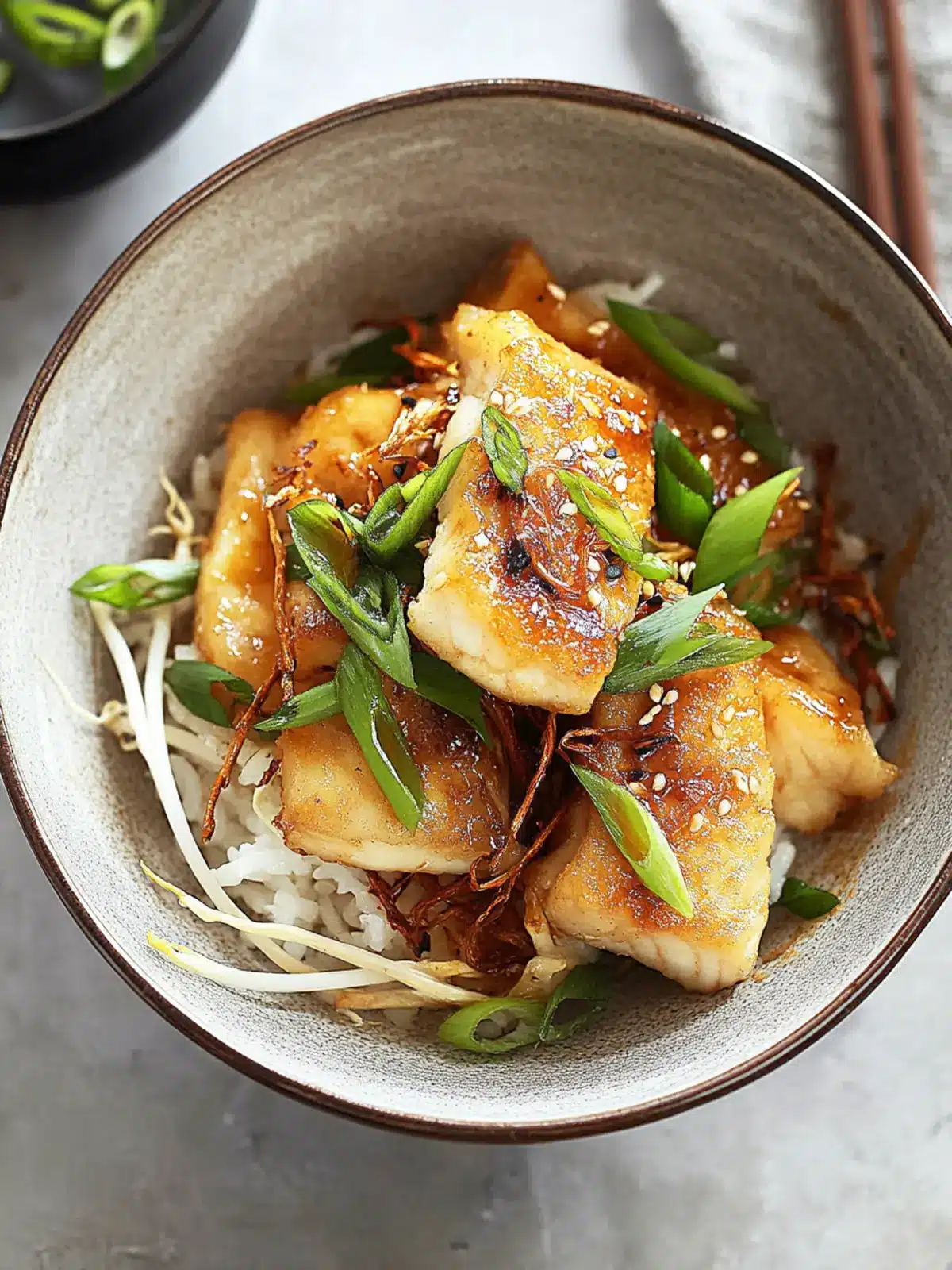
Why is Ginger Soy Fish a must-try?
Simplicity at Its Best: This recipe involves basic cooking techniques that are easy for anyone to master.
Savory Flavor Explosion: The vibrant combination of ginger and soy sauce brings out the best in the fish, ensuring every bite is packed with taste.
Quick and Convenient: With minimal prep time and cooking required, you can whip up this delightful dish in no time—perfect for busy weeknights!
Impressive Presentation: Serve it over a bed of steaming rice or alongside sautéed veggies for a colorful, Instagram-worthy meal.
Versatile Choices: Not a fan of halibut? Substitute with your favorite white fish for a customized experience!
For more delicious ideas to complement your fish, check out my easy sides for fish meals.
Ginger Soy Fish Ingredients
• Bring the flavors of Ginger Soy Fish to life with these simple ingredients!
For the Fish
• Halibut fish fillet – Opt for firm white fish like cod or tilapia if halibut isn’t available.
• Cornstarch – A key player in giving your fish a delightful crispy coating when pan-fried.
For the Sauce
• Ginger – Fresh ginger gives a zesty kick; feel free to adjust the amount according to your taste!
• Cooking oil – Use neutral oil for frying, ensuring the ginger’s flavor shines through.
• Soy sauce – A must-have for that savory umami taste; try low-sodium soy sauce for a lighter option.
• Water – Helps to balance and dilute the sauce; adjust as needed for consistency.
• Sugar – Adds a hint of sweetness that beautifully contrasts with the savory flavors.
• Sesame oil – Just a touch elevates the dish with its aromatic nuttiness.
• Ground white pepper – Adds subtle heat without overpowering the other flavors; black pepper can be used as a substitute.
For the Garnish
• Chopped scallions – Fresh green onions add a pop of color and a mild onion taste to finish your dish.
• Ginger strips – Reserved from frying the ginger, they provide a lovely garnish and enhance the dish’s flavor.
Now that you have all the building blocks, let’s get cooking!
How to Make Ginger Soy Fish
-
Prepare the Fish: Cut the halibut into thick, bite-sized pieces and evenly coat them with cornstarch. This will give your fish that delightful crispy outside. Set aside and allow the flavors to meld.
-
Slice the Ginger: Peel and slice the fresh ginger into thin strips. The aroma of ginger will infuse into the oil and elevate your dish during cooking.
-
Mix the Sauce: Combine all sauce ingredients—soy sauce, water, sugar, sesame oil, and white pepper—in a small bowl. Stir well to ensure the sugar fully dissolves, creating a cohesive sauce.
-
Heat the Skillet: In a non-stick skillet or a well-seasoned wok, add cooking oil and heat over medium to high. Once hot, toss in the ginger and stir-fry until it turns light brown and aromatic, then remove and set aside.
-
Pan-Fry the Fish: In the same skillet with ginger-infused oil, carefully add the fish. Pan-fry until both sides reach a delightful light to golden brown hue, about 3-4 minutes each side, handling the pieces gently to keep them intact.
-
Add the Sauce: Pour the prepared sauce over the fish in the skillet. Allow it to bubble and coat the fish, then turn off the heat. Serve immediately, topped with the reserved ginger strips and chopped scallions.
Optional: Serve over fluffy steamed rice for an even more satisfying meal.
Exact quantities are listed in the recipe card below.
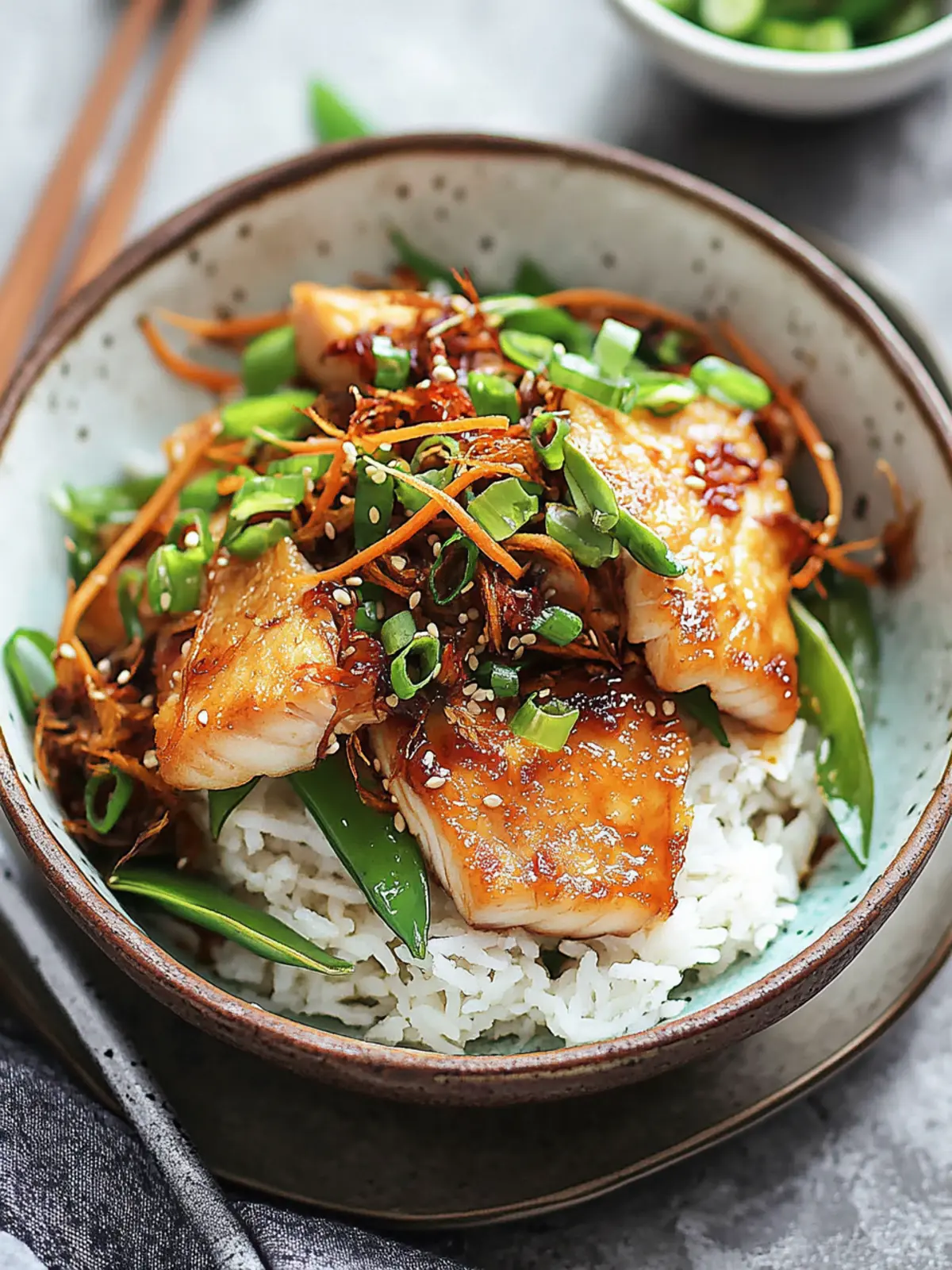
Make Ahead Options
These Ginger Soy Fish are perfect for meal prep enthusiasts looking to save time during busy weeknights! You can prepare the fish by cutting the halibut into bite-sized pieces and coating them with cornstarch up to 24 hours in advance—just refrigerate them in an airtight container to maintain quality. Additionally, you can mix the sauce ingredients ahead of time, storing it in the fridge as well; this ensures the flavors meld beautifully. When you’re ready to cook, simply pan-fry the ginger and fish as instructed, add the sauce, and you’ll have a delicious, homemade meal with minimal effort, just waiting to impress your family!
Expert Tips for Ginger Soy Fish
-
Perfect Coating: Make sure the cornstarch evenly coats the fish; this helps achieve that irresistible crispy texture when pan-frying.
-
Ginger Aroma: Stir-fry the ginger until light brown for the best flavor infusion; don’t let it burn, as this can turn the taste bitter.
-
Fish Care: Be gentle when flipping the fish to prevent breaking; using a non-stick skillet greatly helps in avoiding this mishap.
-
Sauce Consistency: If the sauce seems too thick, add a splash of water; it should coat the fish without being runny.
-
Storage: Leftovers are best stored in an airtight container in the refrigerator and consumed within 2 days to maintain freshness.
Enjoy crafting your Ginger Soy Fish dish!
What to Serve with Ginger Soy Fish?
Add a symphony of flavors to your meal with these delightful pairings that complement the savory richness of your Ginger Soy Fish.
-
Steamed Jasmine Rice: The delicate aroma and fluffy texture of jasmine rice soak up the delicious ginger sauce beautifully.
-
Stir-Fried Vegetables: A colorful medley of bell peppers, broccoli, and snap peas adds a crunchy contrast, balancing the tender fish perfectly.
-
Sesame Noodles: Cold sesame noodles tossed in a savory sauce make a refreshing side, adding a nutty flavor that enhances the meal’s Asian flair.
-
Miso Soup: Rich and warming, miso soup brings an umami depth to the table, creating a comforting dining experience.
-
Cucumber Salad: Crisp cucumbers dressed in a light vinaigrette offer a refreshing crunch that cuts through the fish’s richness, adding vibrancy to the plate.
-
Green Tea: A warm cup of green tea will cleanse your palate and lend a calming note to your meal, making it the ideal drink for this dish.
-
Mango Sorbet: For dessert, a light mango sorbet provides a sweet, fruity finish that complements the savory notes of the fish charmingly.
These combinations not only elevate your dinner but also create a memorable dining experience for you and your loved ones.
Ginger Soy Fish Variations
Feel free to explore these exciting twists to make your Ginger Soy Fish even more personal and delightful!
-
Citrus Zing: Add the zest of an orange or lemon to the sauce for a refreshing twist. This brightens the flavors beautifully, making the dish even more vibrant!
-
Spicy Kick: Stir in a teaspoon of red pepper flakes or fresh sliced chili for a touch of heat. Not only does this elevate the flavor profile, but it also adds a nice warmth without overpowering the dish.
-
Herb Infusion: Introduce fresh herbs like Thai basil or cilantro as a garnish. Their aromatic quality complements the ginger sauce perfectly, offering a distinct herbal twist that will fascinate your taste buds.
-
Coconut Cream: Replace part of the water in the sauce with coconut milk for a silky texture and a slight sweetness. This creamy variation brings a tropical flair to your plate, transporting you to a beachside paradise.
-
Sesame Crunch: Sprinkle toasted sesame seeds over the finished dish for extra crunch and flavor. The nutty aroma of sesame will enhance each bite, turning your presentation up a notch!
-
Vegan Option: Swap the fish for firm tofu, pressing out excess moisture for a satisfying texture. This allows everyone to enjoy the ginger-sauce goodness, embracing versatility without missing out on flavor.
-
Sweet & Spicy Glaze: Incorporate a tablespoon of chili garlic sauce into the mix for a tangy, sweet, and spicy finish. This adds complexity to the sauce, making each mouthful a delightful surprise!
-
Vegetable Medley: Toss in an array of colorful vegetables like bell peppers, snow peas, or broccoli while pan-frying the fish. This not only amplifies the nutrition but also transforms the dish into a stunning, healthful feast.
Explore these variations and make this dish your own—happy cooking!
How to Store and Freeze Ginger Soy Fish
Fridge: Store your leftover Ginger Soy Fish in an airtight container for up to 2 days. This ensures the fish retains its flavor and prevents any unpleasant odors from affecting it.
Freezer: If you’d like to freeze your Ginger Soy Fish, wrap it tightly in plastic wrap and then place it in a freezer bag. It can last up to 3 months in the freezer without losing its taste.
Reheating: For best results, reheat gently in a skillet over low heat until warmed through. This prevents the fish from drying out, maintaining its delicious juiciness.
Thawing: When ready to enjoy, thaw the frozen fish overnight in the fridge before reheating. This gradual thawing helps preserve the texture and flavor.
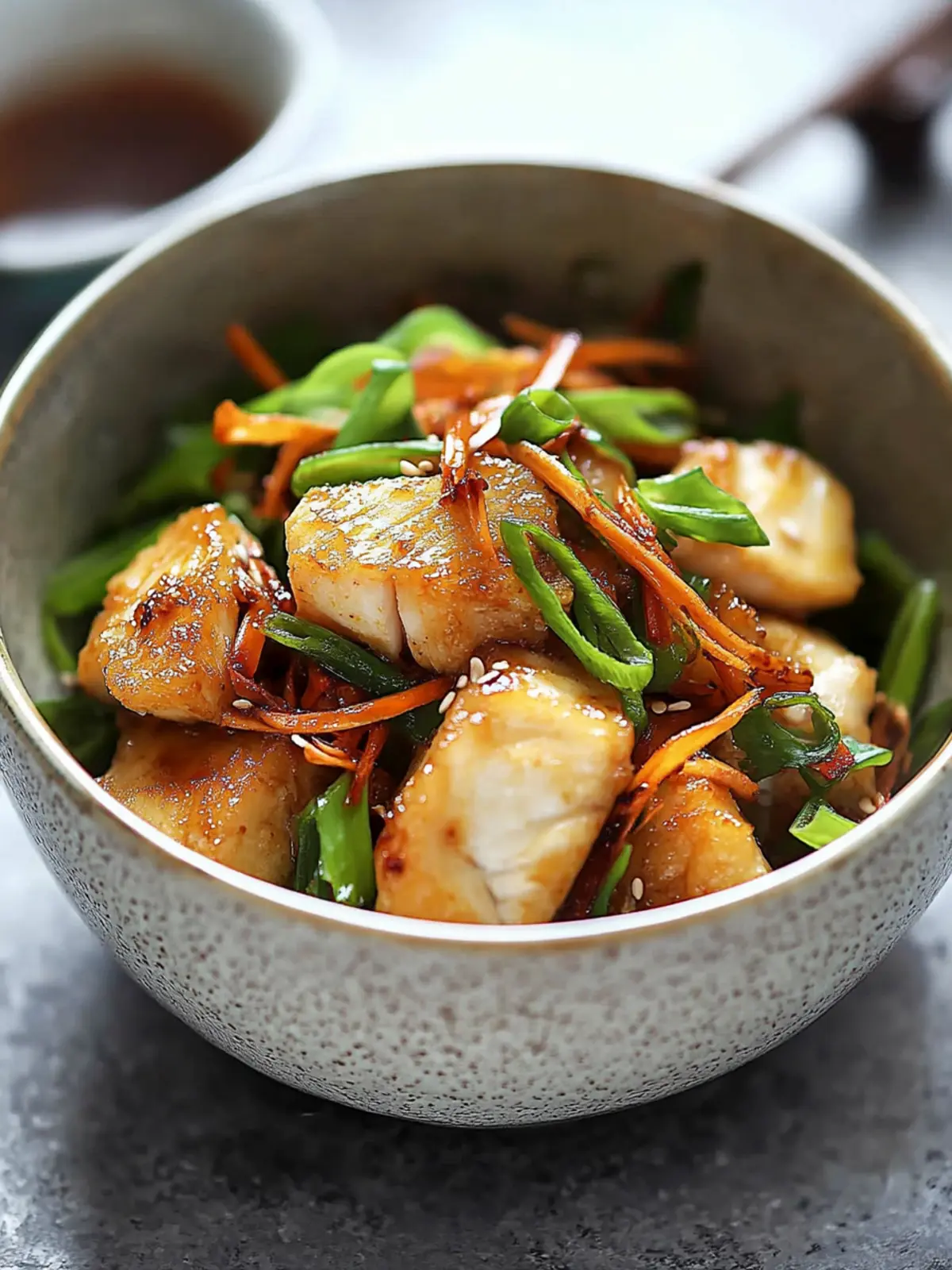
Ginger Soy Fish Recipe FAQs
What is the best way to select ginger for the sauce?
When choosing ginger, look for firm roots with smooth skin and a spicy aroma. Avoid ginger that has dark spots or wrinkles, as this indicates it’s old or dried out. Fresh ginger will enhance your sauce’s flavor, so use the best quality you can find!
How should I store leftover Ginger Soy Fish?
To keep your Ginger Soy Fish fresh, place any leftovers in an airtight container and refrigerate them within two hours of cooking. Enjoy within 2 days for the best taste and texture. If you want to store it longer, freezing is a great option!
Can I freeze Ginger Soy Fish?
Absolutely! To freeze your Ginger Soy Fish, wrap it tightly in plastic wrap and then place it in a freezer-safe bag. It can be stored for up to 3 months. When you’re ready to enjoy it again, thaw it overnight in the refrigerator before reheating.
What should I do if my sauce turns out too thick?
If your sauce is too thick, simply add a splash of water to loosen it up. Stir well and let it simmer for a minute or two, ensuring it reaches the desired consistency. It should coat the fish nicely without being too runny.
Can I make this Ginger Soy Fish recipe with other types of fish?
Very! This recipe is versatile, so feel free to substitute halibut with your favorite firm white fish, like cod or tilapia. Just keep in mind that cooking times may vary slightly based on the thickness of the fillets.
Are there any dietary considerations for this recipe?
If you’re concerned about allergies, check the labels on soy sauce for potential allergens, as some brands may contain wheat. For a gluten-free option, look for gluten-free soy sauce. This dish is also kid-friendly, but always ensure the fish is cooked thoroughly for little ones.
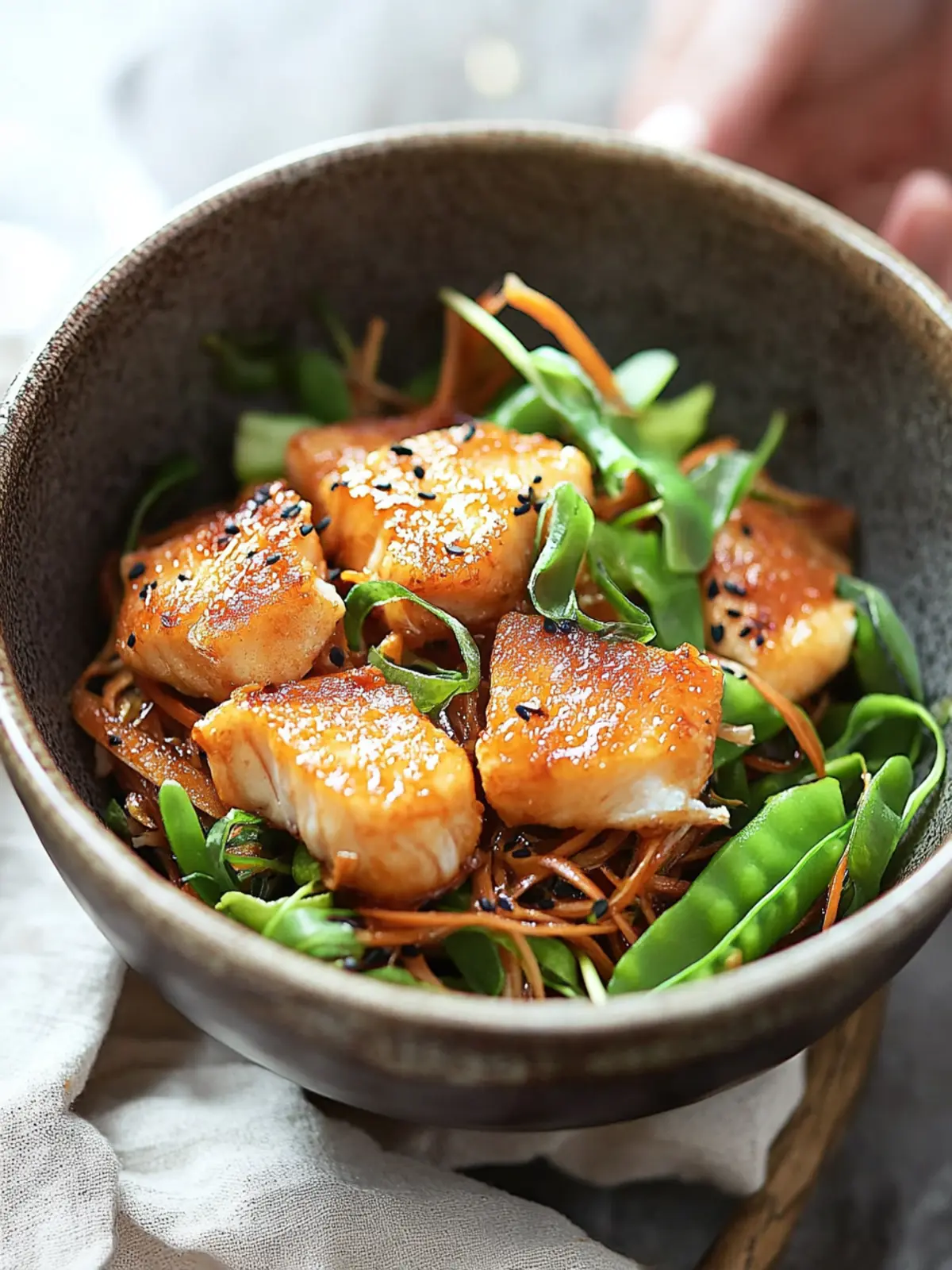
Delicious Ginger Soy Fish that Transforms Dinner Tonight
Ingredients
Equipment
Method
- Cut the halibut into thick, bite-sized pieces and evenly coat them with cornstarch. Set aside.
- Peel and slice the fresh ginger into thin strips.
- Combine soy sauce, water, sugar, sesame oil, and white pepper in a small bowl. Stir well.
- In a non-stick skillet, heat cooking oil over medium to high and stir-fry the ginger until light brown. Remove and set aside.
- In the same skillet, carefully add the fish. Pan-fry until light to golden brown, about 3-4 minutes each side.
- Pour the sauce over the fish in the skillet. Allow to bubble, then turn off the heat and serve topped with ginger strips and chopped scallions.