
Imagine walking into your kitchen and being greeted by the sizzling sound of chicken and fresh vegetables coming together in perfect harmony. That’s the experience you’ll get with this Homemade Hibachi Chicken & Vegetables recipe! I stumbled upon this delightful dish one evening when I was craving something light but packed with flavor—ideal for shaking off the fast-food monotony that sometimes creeps into our busy lives.
As the aroma of garlic and ginger fills the air, you’ll find yourself transported to a vibrant hibachi grill, right in the comfort of your home. Not only is this meal incredibly easy to whip up, but it also offers a wonderful medley of crunch and tenderness that’s sure to impress family and friends alike. With just a handful of wholesome ingredients, you can create a crowd-pleaser that celebrates the joy of homemade cooking.
Perfectly paired with a tangy mustard sauce, this dish is versatile enough to be enjoyed on its own or alongside a side of fried rice. Get ready to elevate your weeknight dinner routine with this Hibachi-inspired meal that’s quick, delicious, and guaranteed to bring smiles to your table!
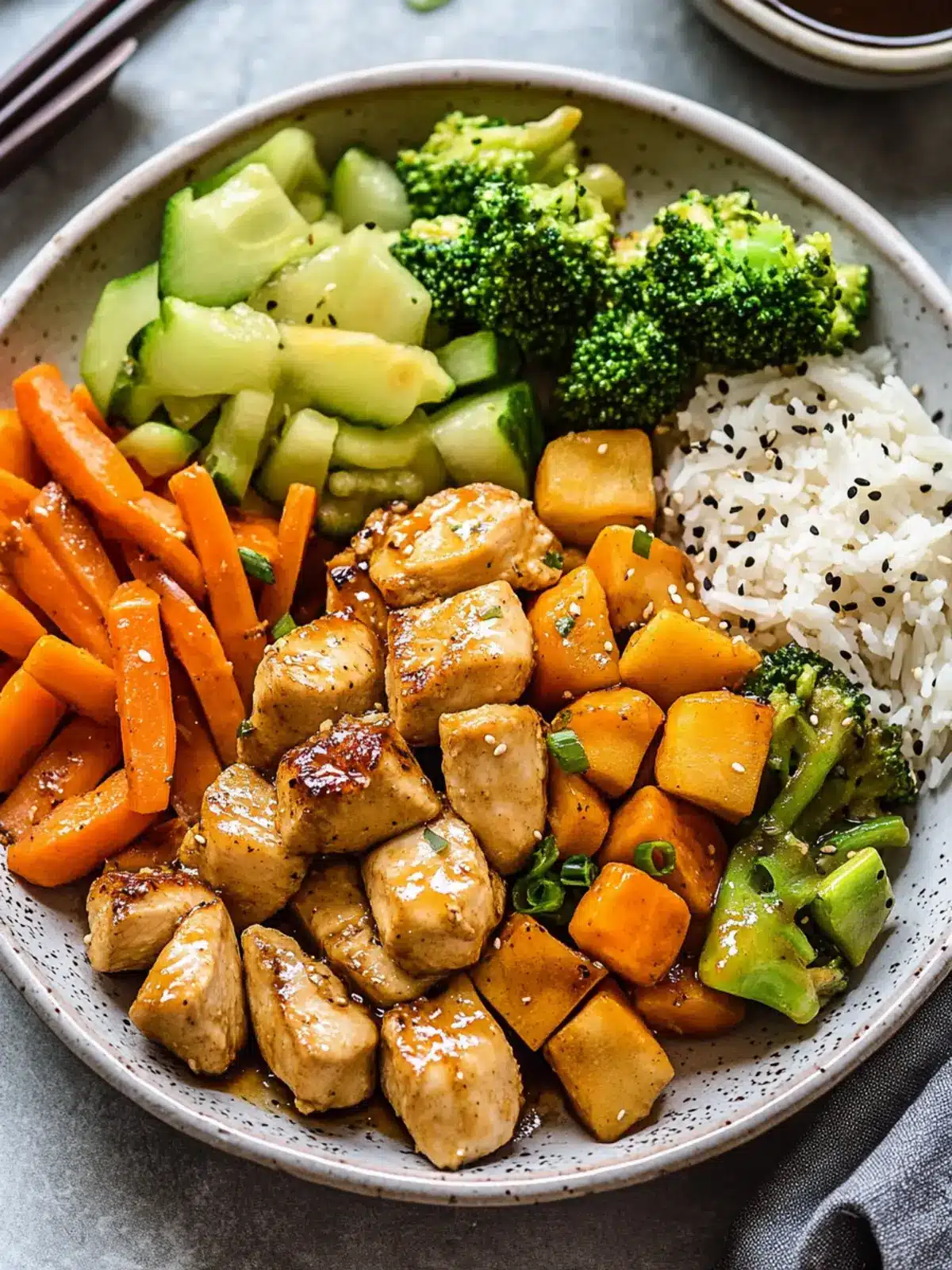
Why Love This Homemade Hibachi Chicken & Vegetables?
Sizzle with excitement as you bring hibachi flavors home! This recipe is incredibly easy to prepare, making it perfect for any busy weeknight. Flavor explosion comes from the fresh ginger and garlic, creating aromas that will have everyone gathering around the table. Healthier alternative to takeout, it uses wholesome ingredients that are satisfying without the guilt. Plus, customizable vegetables allow you to swap in your favorites, catering to every palate. Serve it with our zingy mustard sauce for an extra kick, and you’ve got a meal that’s both impressive and delightful!
Homemade Hibachi Chicken & Vegetables Ingredients
For the Chicken
• Avocado oil – Ideal for high-heat cooking, giving a crispy finish.
• Chicken breast – The lean protein that stays juicy and tasty.
• Sea salt – Enhances the flavors; feel free to adjust to taste.
• Black pepper – Adds a mild spice to balance the savory elements.
• Ghee – Brought in for a rich, buttery taste; can be substituted with unsalted butter.
• Garlic powder – Provides a punch of flavor; fresh garlic works as well.
• Ginger powder – Lends that signature warm spice associated with hibachi cooking.
• Coconut aminos – A soy sauce alternative, perfect for a gluten-free option.
• Coconut sugar – A gentle sweetness; omit for Whole 30.
• Lemon juice – Brightens the dish and balances flavors.
For the Vegetables
• Zucchini – Tender when cooked; adds a mild flavor and bright color.
• Yellow onion – Sweetens and deepens flavors when sautéed.
• Carrots – Provides a lovely crunch and contrasting sweetness.
• Broccoli florets – Adds fiber and an appealing green element.
For the Mustard Sauce
• Mayo – Creamy base; use paleo mayo for a healthier version.
• Coconut aminos (for sauce) – Mirror the savory notes from the chicken.
• Ground mustard, dried – Adds a zesty kick that complements the dish.
• Honey – Sweetens the sauce; substitute with coconut sugar for a Whole 30 option.
• Garlic powder (for sauce) – Rounds out the tangy flavors beautifully.
Gather these Homemade Hibachi Chicken & Vegetables ingredients and get ready for a delightful cooking adventure!
How to Make Homemade Hibachi Chicken & Vegetables
-
Heat oil in a large deep pan over medium-high heat. Add 1 tbsp of avocado oil, then toss in the vegetables. Sauté for 6-7 minutes, or until they are lightly crisped. Cover and steam on low for 2-3 minutes until tender.
-
Season vegetables by adding ½ tsp sea salt, ¼ tsp black pepper, 1 tsp garlic powder, 1 tsp ginger powder, 1 tsp coconut sugar, 2 tbsp coconut aminos, 1 tbsp ghee, and half of the lemon juice. Stir to coat, then remove from heat and keep warm in a covered bowl.
-
Cook chicken in the same or another large deep pan. Heat 1-2 tbsp of avocado oil over medium-high heat, then add the cubed chicken. Season with the remaining sea salt and black pepper. Cook until the internal temperature reaches 165°F, turning often for even cooking.
-
Combine ingredients with the chicken by adding 2 tbsp coconut aminos, 1 tbsp ghee, 1 tsp ginger powder, 1 tsp garlic powder, 1 tsp coconut sugar, and the rest of the lemon juice. Stir until well coated and allow to sauté for another minute.
-
Serve it up by dividing the cooked chicken and vegetables among 4 plates. Optionally, serve fresh with fried rice and a side of mustard sauce for a flavorful finish.
-
Make the mustard sauce by stirring together all mustard sauce ingredients until well combined. Adjust seasoning to taste, and serve along with your chicken for an extra burst of flavor.
Optional: Garnish with chopped green onions for a pop of color and freshness.
Exact quantities are listed in the recipe card below.
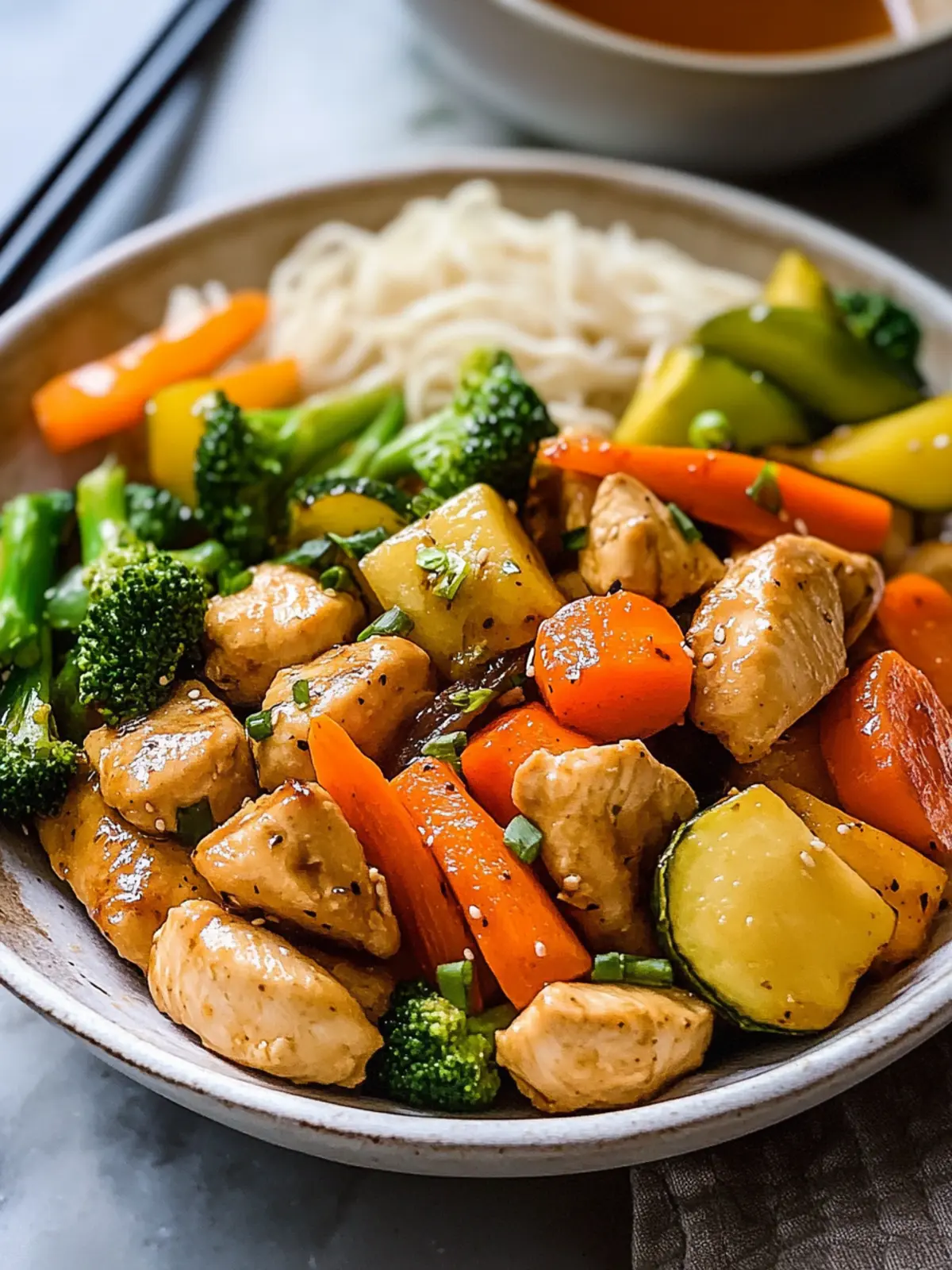
How to Store and Freeze Homemade Hibachi Chicken & Vegetables
Fridge: Store leftovers in an airtight container for up to 3 days. Keep the chicken and vegetables together for easy reheating.
Freezer: For longer storage, freeze in a tightly sealed container or freezer bag for up to 3 months. Make sure to label it for easy identification later.
Reheating: Thaw overnight in the fridge for best results. Reheat in a microwave for 1-2 minutes or on the stovetop over medium heat until warm. Enjoy your Hibachi Chicken and Vegetables just as delicious as the first time!
What to Serve with Homemade Hibachi Chicken & Vegetables?
Elevate your dinner experience with these delightful pairings that perfectly complement your hibachi-inspired dish.
-
Fried Rice: A traditional side, it brings a nutty flavor and chewy texture that balances the chicken and vegetables beautifully.
-
Asian Sesame Salad: Crisp greens dressed in a sesame vinaigrette add a refreshing crunch, perfect for lightening up your meal.
-
Steamed Edamame: Sprinkle with sea salt for a protein-packed, savory snack that’s easy to enjoy while you savor your hibachi chicken.
-
Garlic Butter Noodles: Silky noodles coated in garlic butter make for a comfort food favorite that pairs exquisitely with the bold flavors of hibachi.
-
Sushi Rolls: Homemade sushi or store-bought rolls offer a fun and flavorful way to complement your meal’s vibrant flavors. Explore different fillings to keep it exciting!
-
Teriyaki Glazed Brussels Sprouts: These roasted sprouts offer a sweet and savory contrast, adding depth to the meal while packing in extra nutrients.
-
Miso Soup: A warm, comforting bowl of miso soup serves as a wonderful starter, setting the stage for an Asian-inspired culinary journey.
-
Chilled Green Tea: Refreshing and slightly earthy, this drink keeps the flavors of your homemade hibachi chicken bright and vibrant.
-
Fruit Salad: A light citrus-infused fruit salad adds a sweet finish, cleansing the palate after the savory elements of your meal.
-
Coconut Flan: End your dinner on a sweet note with this creamy, tropical dessert that ties in beautifully with the flavors of hibachi cooking.
Make Ahead Options
These Homemade Hibachi Chicken & Vegetables are a fantastic option for meal prep, saving you time on busy weeknights! You can chop and refrigerate the vegetables up to 3 days in advance, keeping them in an airtight container to preserve their crunch. Additionally, the chicken can be marinated (with seasonings and coconut aminos) for up to 24 hours in the fridge, allowing those flavors to infuse deeply. When ready to serve, simply cook the chicken and vegetables as directed, adjusting the cooking time slightly since they’ll be cold. This way, you’ll enjoy a delicious meal with minimal effort, just as fresh and flavorful as if you made it that same day!
Expert Tips for Homemade Hibachi Chicken & Vegetables
-
Sautéing Skills: Ensure your pan is hot enough before adding vegetables; this helps achieve that perfect crispiness we love about hibachi cooking.
-
Chicken Check: Use a meat thermometer to verify chicken reaches 165°F for safe eating. Overcooking can lead to dryness, so keep a close eye!
-
Ghee Golden Rule: If using ghee, make sure not to let it burn while cooking. Lower the heat slightly if necessary for that rich flavor without the bitterness.
-
Veggie Variations: Feel free to experiment with your favorite vegetables in this Homemade Hibachi Chicken & Vegetables recipe. Bell peppers, snap peas, or mushrooms can add delightful freshness.
-
Flavor Boost: Don’t skip the mustard sauce! It offers an exciting flavor contrast that really elevates the final dish. Adjust the sweetness to your taste if desired.
Homemade Hibachi Chicken & Vegetables Variations
Get creative with your heartfelt hibachi feast by exploring these delightful twists!
-
Gluten-Free: Substitute coconut aminos for soy sauce, ensuring a safe and tasty meal for gluten-sensitive diners.
-
Spicy Kick: Add a dash of red pepper flakes or sliced jalapeños during cooking for a fiery version that warms the soul.
-
Vegetarian Option: Replace chicken with firm tofu or tempeh, marinating in coconut aminos for a tasty, plant-based dish.
-
Crispy Texture: Toss in shredded carrots or crushed peanuts for a satisfying crunch that complements the tender chicken and veggies.
-
Herb Infusion: Enhance flavor by including fresh herbs like cilantro or green onions; sprinkle them on top just before serving.
-
Coconut Creaminess: Stir in a tablespoon of coconut cream for a rich, tropical twist that adds depth and velvety texture to the sauce.
-
Fruit Fusion: Incorporate pineapple or mango chunks while sautéing for a sweet-and-savory balance that brings a burst of sunshine to your plate.
-
Low-Carb: Swap out the carrots and zucchini for cauliflower and bell peppers to significantly reduce carbs while keeping the flavors vibrant.
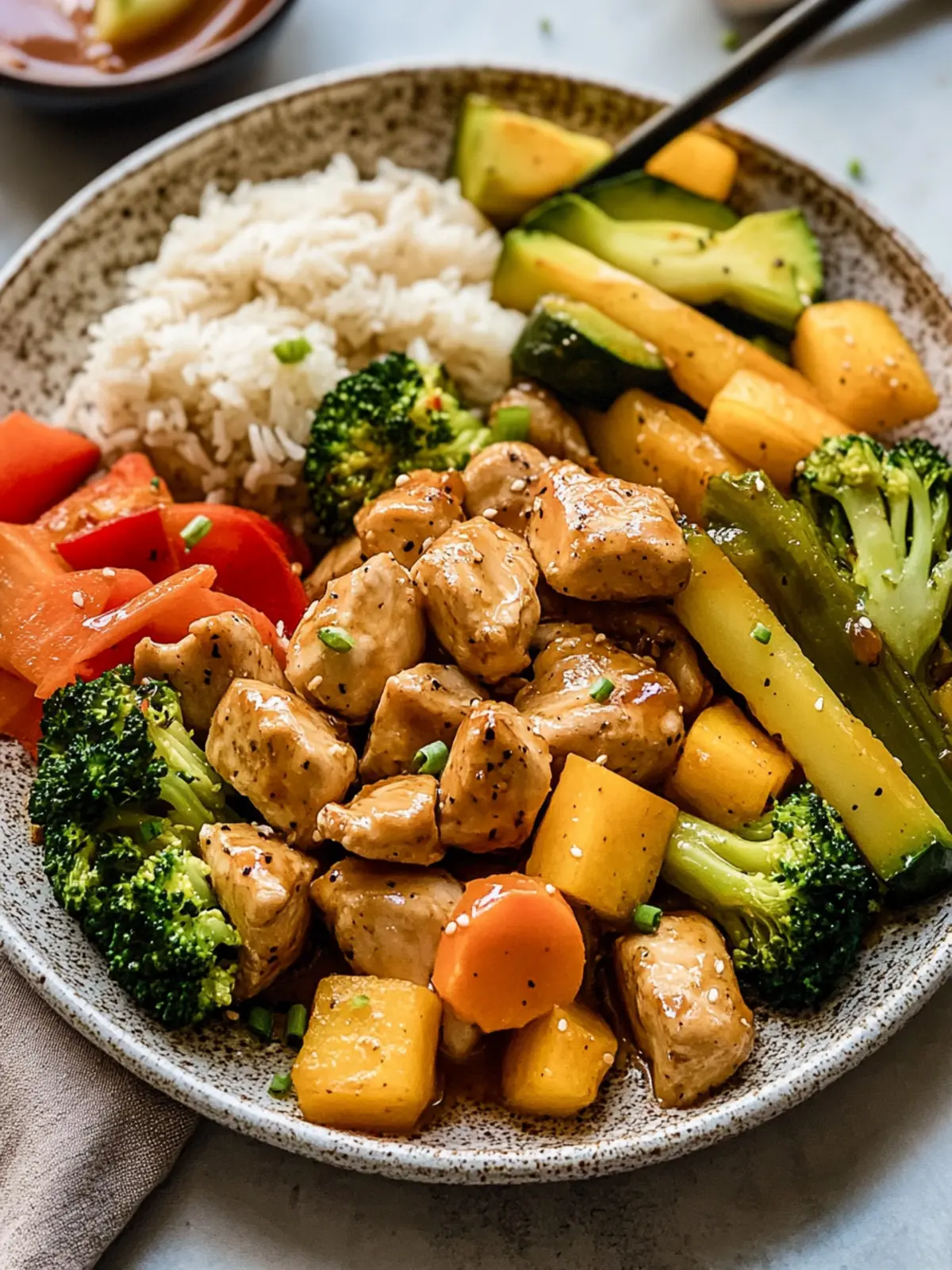
Homemade Hibachi Chicken & Vegetables Recipe FAQs
How do I choose ripe ingredients for this recipe?
Absolutely! For vegetables like zucchinis and carrots, look for firm ones without dark spots or soft spots. Fresh broccoli should be bright green and tightly packed, while onions should feel heavy for their size and have a smooth outer layer. You’ll want your chicken breast to be pinkish in color and free from any foul odor.
How should I store leftovers?
Very simple! Store your leftover Homemade Hibachi Chicken & Vegetables in an airtight container in the refrigerator for up to 3 days. This keeps them fresh while making reheating a breeze. Just pop them in the microwave or on the stovetop when you’re ready for round two of deliciousness!
Can I freeze Homemade Hibachi Chicken & Vegetables?
Yes, you can! For freezing, let the chicken and vegetables cool down completely first. Then, pack them into a tightly sealed container or heavy-duty freezer bag, ensuring you remove as much air as possible. Label it and store it in the freezer for up to 3 months. When you’re ready to eat, thaw them overnight in the fridge before reheating.
What should I do if my chicken turns out dry?
Oh no! If your chicken is dry, it might have been overcooked. To avoid this next time, use a meat thermometer to monitor the internal temperature, aiming for 165°F. If you find it dry after cooking, consider coating it with extra ghee or serving it with the mustard sauce for added moisture and flavor.
Are there any dietary considerations I should keep in mind?
Very important! If you have allergies or dietary restrictions, note that this recipe can be easily adjusted. Use Paleo mayo in place of regular mayo for a cleaner option. You might also consider skipping coconut sugar if you’re on a Whole 30 diet. For gluten-free needs, coconut aminos is a fantastic substitute, and it’s safe for most diets. Always avoid any allergens you may have, like garlic powder or avocado oil, as substitutions are essential to ensure safety!
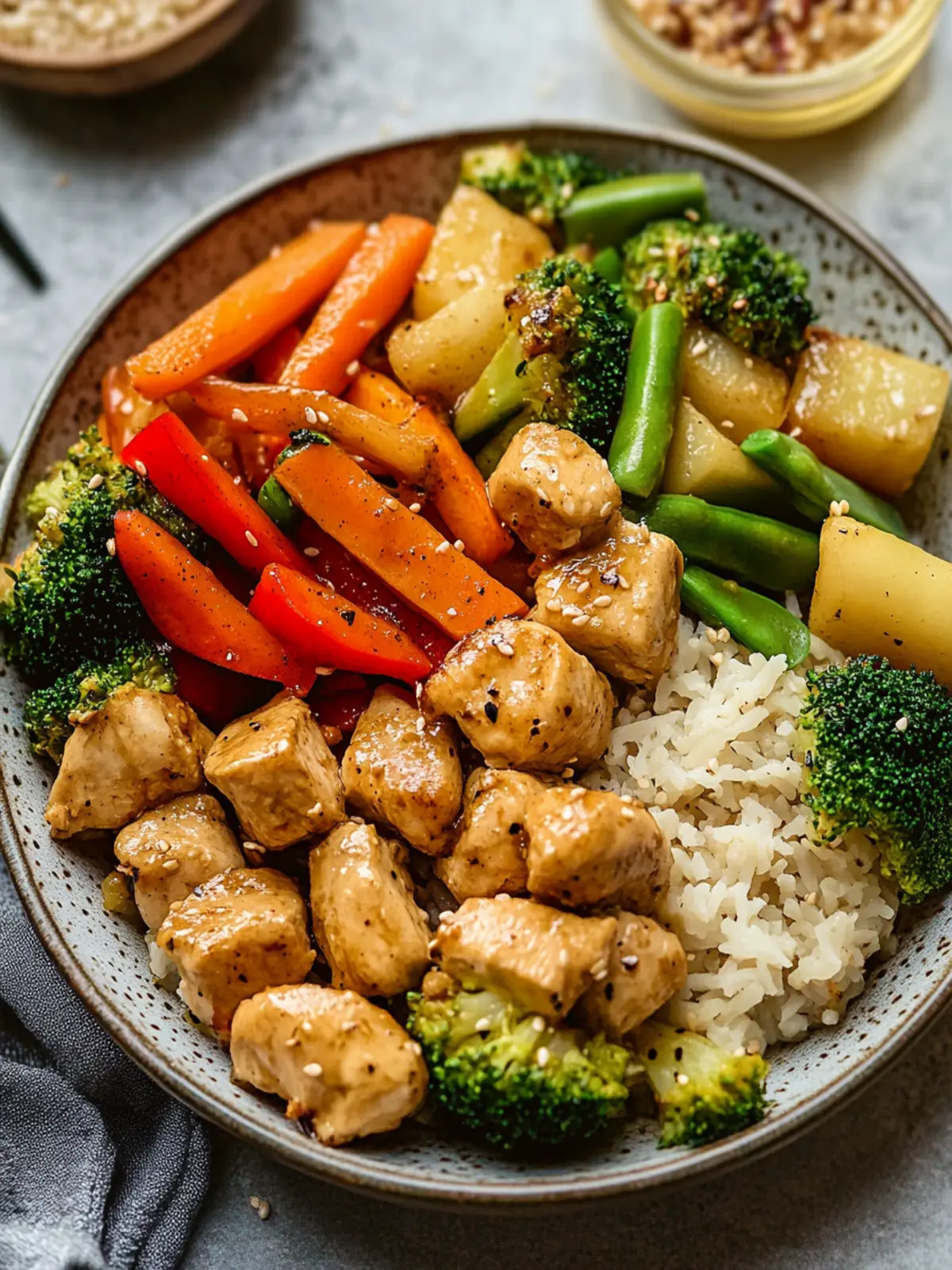
Sizzle Up Homemade Hibachi Chicken & Vegetables Tonight
Ingredients
Equipment
Method
- Heat oil in a large deep pan over medium-high heat. Add 1 tbsp of avocado oil, then toss in the vegetables. Sauté for 6-7 minutes, or until they are lightly crisped. Cover and steam on low for 2-3 minutes until tender.
- Season vegetables by adding ½ tsp sea salt, ¼ tsp black pepper, 1 tsp garlic powder, 1 tsp ginger powder, 1 tsp coconut sugar, 2 tbsp coconut aminos, 1 tbsp ghee, and half of the lemon juice. Stir to coat, then remove from heat and keep warm in a covered bowl.
- Cook chicken in the same or another large deep pan. Heat 1-2 tbsp of avocado oil over medium-high heat, then add the cubed chicken. Season with the remaining sea salt and black pepper. Cook until the internal temperature reaches 165°F, turning often for even cooking.
- Combine ingredients with the chicken by adding 2 tbsp coconut aminos, 1 tbsp ghee, 1 tsp ginger powder, 1 tsp garlic powder, 1 tsp coconut sugar, and the rest of the lemon juice. Stir until well coated and allow to sauté for another minute.
- Serve it up by dividing the cooked chicken and vegetables among 4 plates. Optionally, serve fresh with fried rice and a side of mustard sauce for a flavorful finish.
- Make the mustard sauce by stirring together all mustard sauce ingredients until well combined. Adjust seasoning to taste, and serve along with your chicken for an extra burst of flavor.