
The first bite of these Sticky Korean Gochujang Meatballs instantly transports me to a cozy street market in Seoul, where the savory aroma of sizzling meat fills the air. With their perfect balance of heat and umami, these tender meatballs have become a go-to in my kitchen, especially on those busy weeknights when I crave something easy yet extraordinary. What sets these meatballs apart is not just their lip-smacking flavor, but the unique probiotic benefits of fermented gochujang, turning each delicious mouthful into a wholesome treat. Whether you’re a seasoned chef or a kitchen novice, you’ll find that whipping up this delightful dish is as satisfying as it is scrumptious. Pair them with fluffy jasmine rice or a fresh cucumber salad, and you have a meal that feels both comforting and adventurous. Let’s dive into this recipe and unlock the flavors of Korea in your very own home!
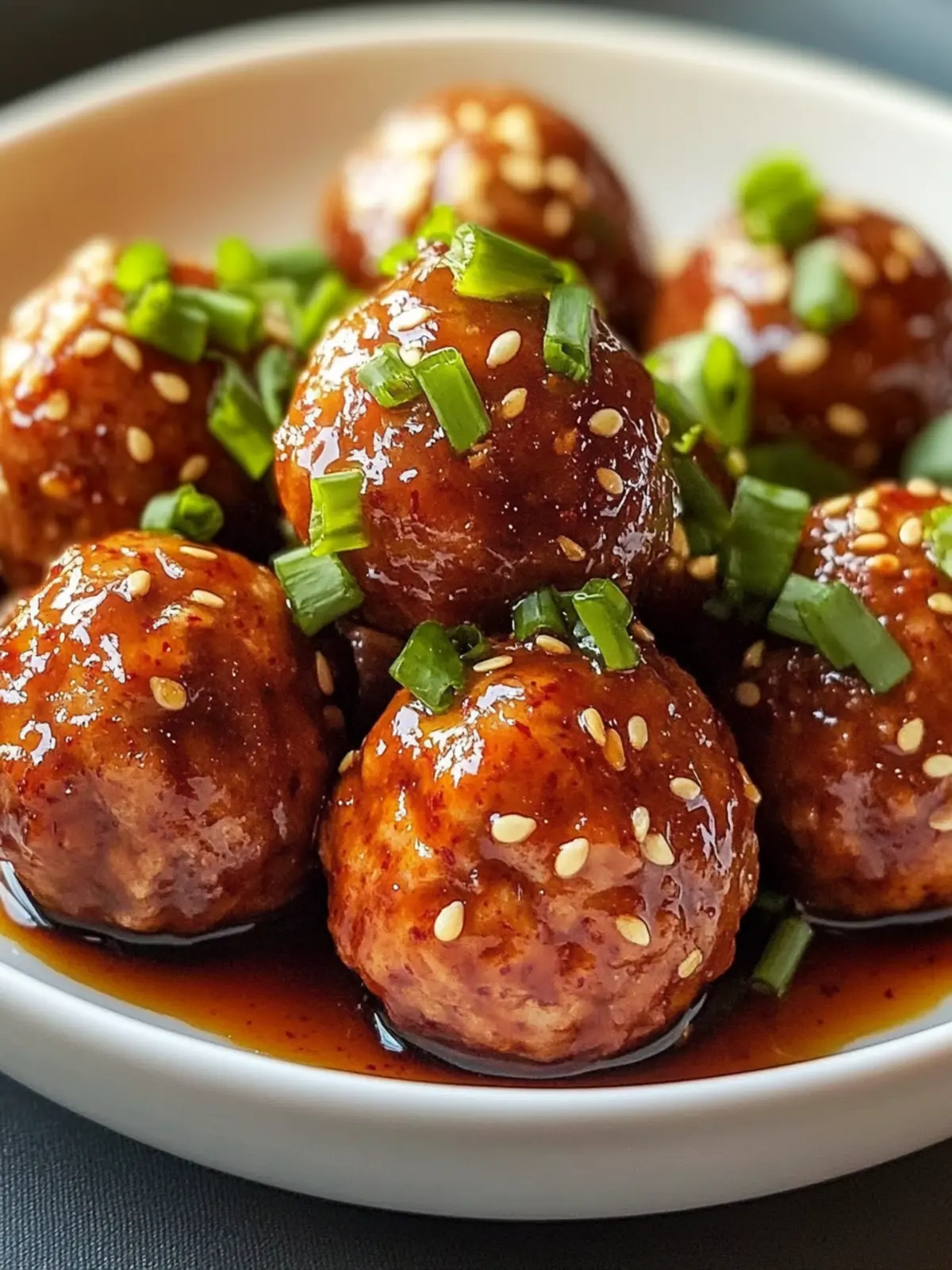
Why love Sticky Korean Gochujang Meatballs?
Simplicity at its finest: This dish requires minimal ingredients and straightforward steps, making it perfect for busy weeknights.
Flavor explosion: The blend of gochujang’s heat and savory soy sauce delivers an unforgettable taste that your family will crave!
Nutritious twist: With the addition of fermented gochujang, these meatballs offer probiotic benefits along with their deliciousness.
Versatile pairing: Enjoy them over rice, in a sandwich, or tucked into lettuce wraps for a fresh take!
Impressive presentation: Their sticky glaze and vibrant colors make these meatballs wow-worthy for hosting family and friends.
Ready to impress? Make sure to check out my tips on how to serve these meatballs alongside refreshing cucumber salad or other delightful side dishes!
Sticky Korean Gochujang Meatballs Ingredients
For the Meatballs
• Ground Beef – Provides flavor and texture; lean beef yields juicy meatballs, while a mix with pork keeps them tender.
• Ground Pork Sausage – Adds moisture and richness; substitute with ground turkey for a lighter version.
• Panko Breadcrumbs – Acts as a binder, essential for a light texture; substitute with regular breadcrumbs if necessary.
• Whole Milk – Soaks panko for tenderness; use almond or soy milk for dairy-free options.
• Eggs – Binds the meat mixture; choose omega-3 enriched eggs for added nutritional benefits.
• Garlic (minced) – Adds aromatic depth; fresh garlic provides the best flavor, but garlic powder can work in a pinch.
• Fresh Ginger (grated) – Provides zing and warmth; ground ginger can substitute in smaller amounts.
• Soy Sauce – Enhances savory flavor; tamari is a great gluten-free alternative.
• Sesame Oil – Adds rich, nutty flavor; can be replaced with avocado oil for a milder taste.
• Brown Sugar – Balances the spiciness with sweetness; honey or agave syrup are excellent substitutions.
• Black and White Pepper – Offers seasoning; use freshly cracked pepper for a more robust flavor.
• Scallions (chopped) – Adds freshness and color as a garnish; chives can also be used as an alternative.
• Neutral Oil (for frying) – Prevents sticking while cooking; olive oil can be used, but will alter the flavor slightly.
• Gochujang – The core flavoring ingredient that delivers heat and depth; ensure it’s thinned properly before use.
For the Glaze
• Soy Sauce – Enhances the overall savory taste of the glaze.
• Honey – Adds a natural sweetness to complement the heat of the gochujang.
• Rice Vinegar – Introduces a tangy element; adjust according to your taste preference.
• Garlic Powder – Boosts the overall flavor profile of the glaze.
• Sesame Oil – Adds a final touch of rich, nutty flavor.
• Water – Ensures the glaze has the right consistency for coating the meatballs.
With these ingredients in hand, you’re just a few simple steps away from creating the best Sticky Korean Gochujang Meatballs that will delight your taste buds!
How to Make Sticky Korean Gochujang Meatballs
-
Prep Panko: In a small bowl, mix the panko breadcrumbs with whole milk and let it soak for 2 minutes. This step ensures the meatballs are tender and hold together perfectly.
-
Combine Ingredients: In a large mixing bowl, combine the ground beef, ground pork sausage, soaked panko, egg, minced garlic, grated ginger, soy sauce, sesame oil, brown sugar, black and white pepper, and chopped scallions. Mix gently until everything is just combined, being careful not to overwork the meat.
-
Form Meatballs: Using an ice cream scoop, portion out the mixture and roll it into 1.5-inch meatballs. This uniform size helps them cook evenly and stay juicy.
-
Brown Meatballs: Heat a neutral oil in a skillet over medium heat. Once hot, add the meatballs and brown them for 6-8 minutes, turning occasionally until they have a nice golden color. Once browned, transfer them to a plate.
-
Make the Glaze: In the same skillet, combine gochujang, soy sauce, honey, rice vinegar, garlic powder, sesame oil, and water. Stir well and bring the mixture to a gentle simmer, allowing the flavors to meld.
-
Glaze Meatballs: Return the browned meatballs to the skillet, coating them with the glaze. Cover the skillet and let them simmer on medium-low for 12-14 minutes, turning them halfway through for an even coating.
-
Thicken Glaze: Uncover the skillet, increase the heat, and simmer for an additional 2-3 minutes until the glaze thickens to your desired consistency, clinging beautifully to the meatballs.
-
Serve: Transfer the glazed meatballs to a serving dish and garnish with sesame seeds and additional chopped scallions. These are best served over fluffy jasmine rice or with a refreshing cucumber salad.
Optional: Serve with a sprinkle of sesame seeds for added crunch and flavor!
Exact quantities are listed in the recipe card below.
Make Ahead Options
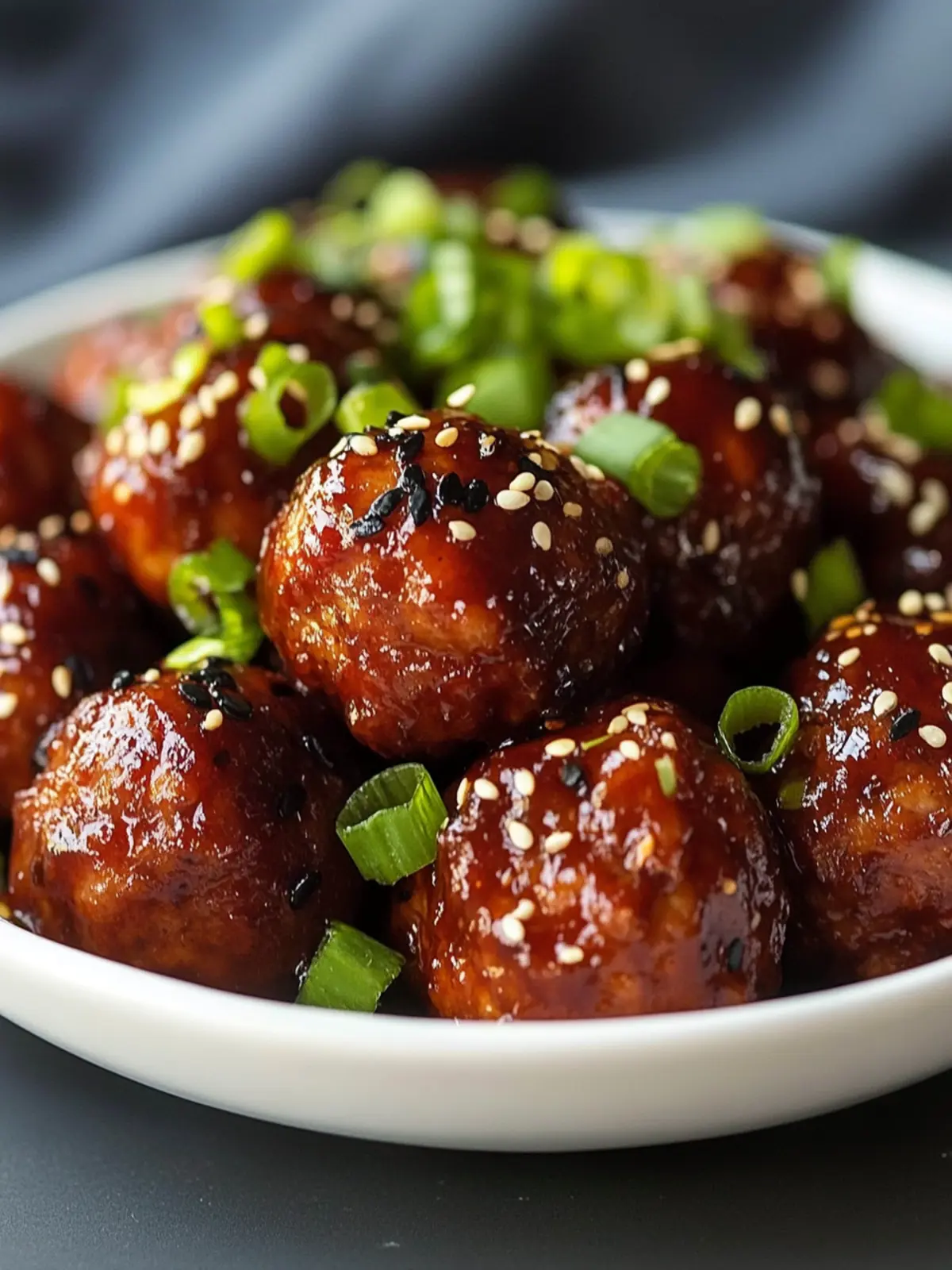
Preparing Sticky Korean Gochujang Meatballs ahead of time is a game-changer for busy weeknights! You can refrigerate the uncooked meatballs for up to 24 hours, which allows the flavors to meld beautifully. To do this, form the meatballs and place them on a parchment-lined baking sheet, then cover tightly with plastic wrap before refrigerating. If you’re planning further ahead, these meatballs can be frozen for up to 3 months; just arrange them on a tray to freeze individually before transferring to a freezer bag. When you’re ready to cook, bake straight from frozen, adding about 5 extra minutes to the cooking time. This prep method not only saves time but also ensures that your meatballs will be just as tender and flavorful when served!
How to Store and Freeze Sticky Korean Gochujang Meatballs
Fridge: Store cooked meatballs in an airtight container in the refrigerator for up to 3 days, maintaining their sticky flavor and texture.
Freezer: Freeze uncooked meatballs for up to 3 months. Place them on a baking sheet to freeze individually, then transfer to a zip-top bag.
Reheating: For best results, reheat in a skillet over medium heat with a splash of water, covering to steam for about 5-7 minutes, or until hot throughout.
Make-Ahead: Prepare meatballs ahead of time and refrigerate for up to 24 hours before cooking, making weeknight meals a breeze!
Sticky Korean Gochujang Meatballs Variations
Feel the freedom to put your personal touch on these delightful meatballs! With so many options, you can create a unique dish every time.
-
Dairy-Free: Substitute whole milk with almond or oat milk to make the meatballs suitable for dairy-free diets.
Additionally, using a nut milk prevents any dairy-related issues while keeping the texture lovely. -
Gluten-Free: Opt for gluten-free breadcrumbs instead of panko, or use ground oats to bind the mixture.
It’s an easy swap that ensures everyone can enjoy these tasty meatballs without sacrificing flavor. -
Lean Option: Swap ground pork for ground turkey or chicken for a lighter take on this recipe.
This change not only reduces the fat but also offers a leaner source of protein without losing tenderness. -
Vegetable Boost: Grate in veggies like zucchini or carrots for added nutrition and moisture.
These additions bring hidden greens into the mix while keeping the meatballs juicy and flavorful! -
Spicy Twist: For an extra kick, increase the amount of gochujang or add diced jalapeños to the meat mixture.
If you like it hot, this enhances the warmth while keeping the layers of flavor intact! -
Asian Fusion: Mix in some chopped water chestnuts for crunch and a unique textural element.
These little gems add a delightful bite that complements the overall dish beautifully! -
Herbaceous Flavor: Incorporate chopped fresh cilantro or basil into the meat mixture for a fresh twist.
Herbs can enliven the taste while giving a refreshing touch to these already flavorful meatballs. -
Sweet & Spicy: Drizzle a bit of Sriracha or chili oil into the glaze for added complexity.
This combination of sweetness and heat makes the glaze sing, enhancing the overall experience of your meal!
What to Serve with Sticky Korean Gochujang Meatballs?
A wonderful meal starts with thoughtful pairings that enhance all the delicious flavors of your favorite dishes.
-
Fluffy Jasmine Rice: The light, delicate texture of jasmine rice perfectly absorbs the sweet and spicy glaze, making each bite a flavorful experience.
-
Cucumber Salad: Crunchy, refreshing, and lightly dressed, a cucumber salad adds a crisp contrast to the sticky meatballs, creating a harmonious balance of flavors.
-
Garlic Fried Plantains: These sweet and savory plantains bring a delightful chewiness and sweetness that complements the spicy kick of the meatballs beautifully.
-
Stir-Fried Vegetables: Colorful, sautéed bell peppers, broccoli, and carrots add a nutritious touch. Their slight crunch pairs perfectly with the tender meatballs and brings vibrant color to the plate.
-
Kimchi: A traditional Korean side, its tangy, fermented flavors enhance the meatballs, adding complexity to your meal while delivering a satisfying crunch.
-
Chilled Soba Noodles: Just add a light sesame dressing, and you have a deliciously refreshing noodle salad that cools down the heat of the meatballs while providing a lovely texture.
-
Chardonnay or Riesling: A chilled glass of these whites brings out the sweetness and heat of the meatballs, making for a delightful dining experience.
-
Mango Sticky Rice: For dessert, this sweet treat provides a perfect finish, balancing the savory with a tropical touch, leaving you and your guests genuinely satisfied.
Expert Tips for Sticky Korean Gochujang Meatballs
-
Choose Quality Gochujang: Opt for refrigerated gochujang to ensure maximum flavor and probiotics for healthier meatballs.
-
Prevent Sticking: Wet your hands with cold water before rolling the meatballs. This simple trick keeps the mixture from sticking to your fingers.
-
Brown Properly: Ensure you brown the meatballs thoroughly to create a nice crust, which helps them hold together during cooking in the glaze.
-
Uniform Size: Use an ice cream scoop for consistent-sized meatballs. This ensures even cooking and a delightful bite every time.
-
Adjust Spice Level: Feel free to modify the amount of gochujang based on your heat preference. A little goes a long way, so start with less if you’re unsure!
-
Mix with Care: When combining the ingredients, be gentle to avoid overworking the meat. This keeps your Sticky Korean Gochujang Meatballs tender and juicy.
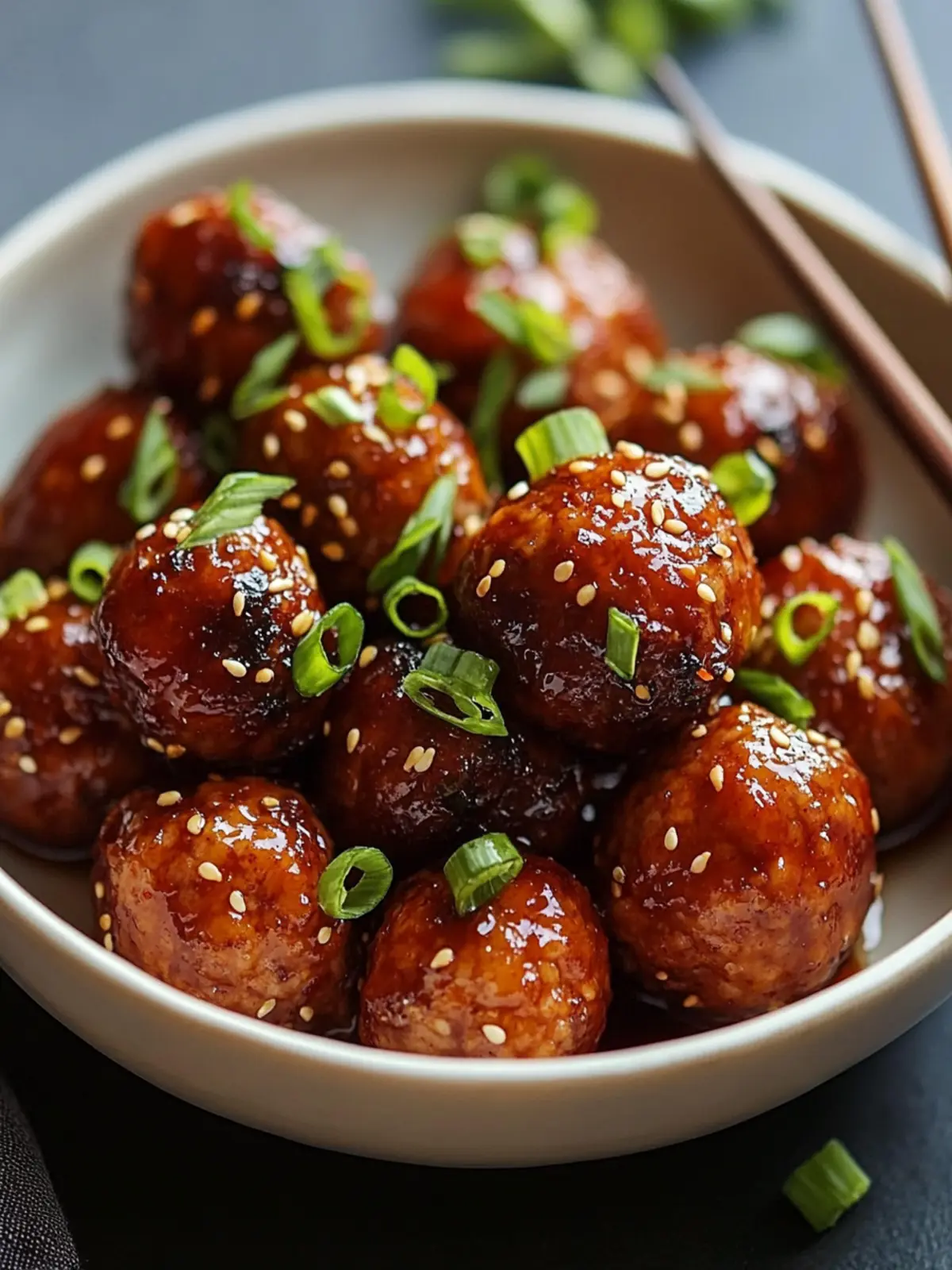
Sticky Korean Gochujang Meatballs Recipe FAQs
How do I choose ripe ingredients for Sticky Korean Gochujang Meatballs?
Absolutely! For the best results, choose lean ground beef and fresh ground pork sausage, ideally from a butcher. Make sure your garlic is firm and free from sprouting, while ginger should be smooth and fragrant. Check the panko breadcrumbs for any signs of moisture or clumping, and ensure your scallions are vibrant and crisp.
How should I store Sticky Korean Gochujang Meatballs?
Very! Store cooked meatballs in an airtight container in the fridge for up to 3 days. If you want to keep them longer, freezing is a great option! Wrap them tightly in plastic wrap and place in a zip-top bag to prevent freezer burn. They’ll be good for up to 3 months.
Can I freeze Sticky Korean Gochujang Meatballs?
Absolutely! To freeze uncooked meatballs, arrange them on a baking sheet in a single layer and freeze for about 1-2 hours until firm. Then, transfer them to a zip-top bag for storage. When you’re ready to prepare them, you can cook them directly from frozen—just add 5 extra minutes to your cooking time!
What are common troubleshooting tips for Sticky Korean Gochujang Meatballs?
If your meatballs are falling apart, this could be a sign that they need more binding—try adding an extra egg or a bit of extra panko. If they’re too dry, you may have overcooked them or needed more moisture in the mixture. To fix an overly spicy glaze, balance it with a touch more honey or water until it reaches your desired flavor.
Are Sticky Korean Gochujang Meatballs suitable for my dairy-sensitive family member?
Absolutely! Just substitute the whole milk and panko breadcrumbs with almond or oat milk and gluten-free breadcrumbs, respectively. Check the labels to ensure they are dairy- and gluten-free. This way, everyone can enjoy the delicious flavors without worry!
How long can I keep uncooked meatballs in the fridge?
Make-ahead options are always a gem! You can refrigerate uncooked Sticky Korean Gochujang Meatballs for up to 24 hours. Just be sure to cover them well, so they don’t dry out; this makes it super convenient for busy nights!
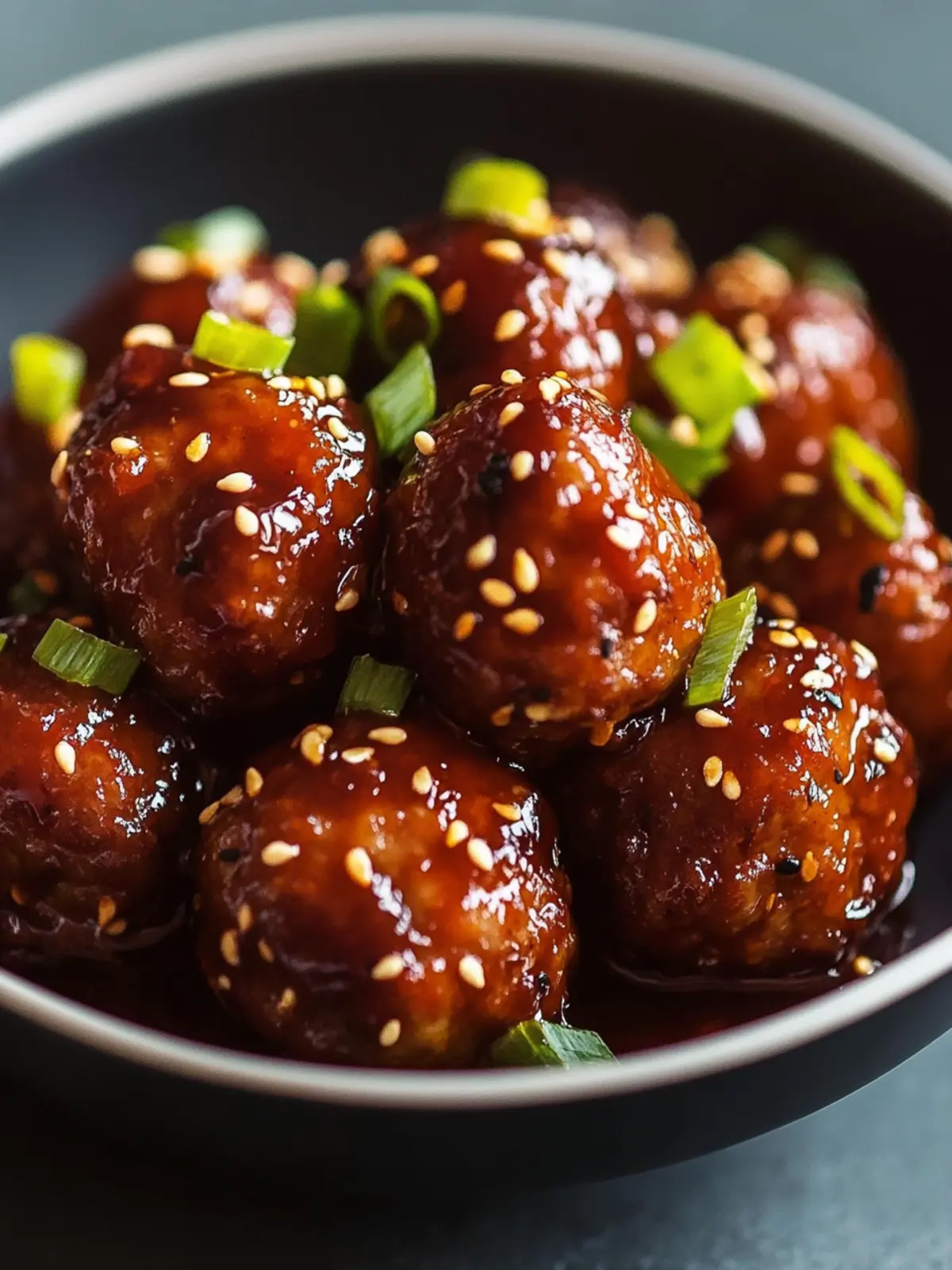
Sticky Korean Gochujang Meatballs for Easy Weeknight Wins
Ingredients
Equipment
Method
- In a small bowl, mix the panko breadcrumbs with whole milk and let it soak for 2 minutes.
- In a large mixing bowl, combine the ground beef, ground pork sausage, soaked panko, egg, minced garlic, grated ginger, soy sauce, sesame oil, brown sugar, black and white pepper, and chopped scallions. Mix gently until just combined.
- Using an ice cream scoop, portion out the mixture and roll it into 1.5-inch meatballs.
- Heat a neutral oil in a skillet over medium heat. Once hot, add the meatballs and brown them for 6-8 minutes.
- In the same skillet, combine gochujang, soy sauce, honey, rice vinegar, garlic powder, sesame oil, and water. Stir well and bring to a gentle simmer.
- Return the browned meatballs to the skillet, coating them with the glaze and cover. Let them simmer for 12-14 minutes, turning halfway through.
- Uncover the skillet, increase the heat, and simmer for 2-3 minutes until the glaze thickens.
- Transfer the glazed meatballs to a serving dish and garnish with sesame seeds and scallions.